
How to Install Ridge Cap on Metal Roofing?
Installing a ridge cap on metal roofing is an important step to make sure your roof stays strong, dry, and looks nice. Whether you have corrugated metal roofs, exposed fastener panels like R Panel, PBR Panel, Western Rib, or ⅞” Corrugated, or standing seam panels, you need to prepare well, measure carefully, and install closure strips and ridge cap panels the right way. Using the right tools and supplies like measuring tape, carpenter’s pencil, chalk line, cutting snips, hand seamer, speed square, caulking gun, drill, screws with sealing washers, and safety gear such as harness, gloves, and goggles makes the job safer and better. Following the correct steps for vented ridge caps like ProfileVent ridge vents or non-vented ridge caps with foam closure strips is very important to protect the roof and let air flow properly along the ridge or peak.
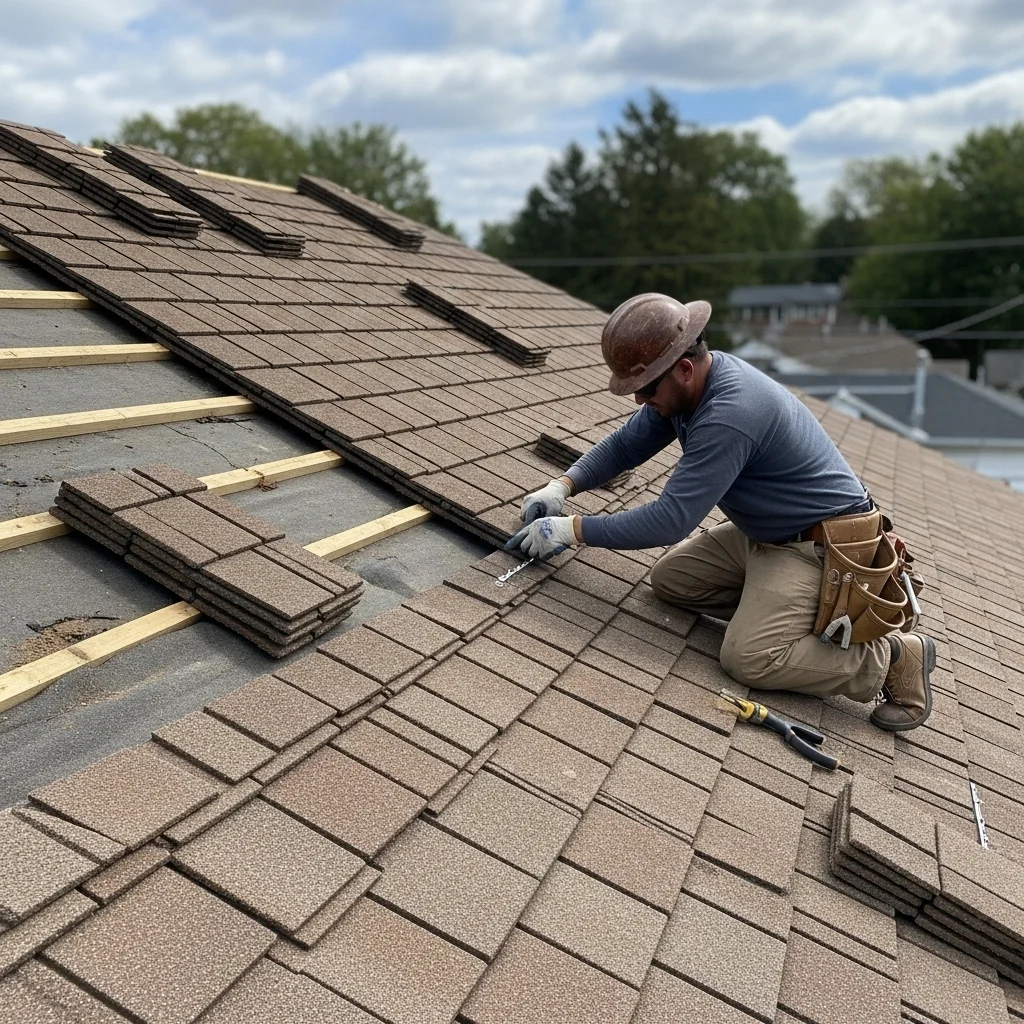
What Is a Metal Roofing Ridge Cap and Why It’s Important
A metal roof ridge cap is a special metal piece that covers the top edge of your roof where two panels meet. It stops water from getting inside and protects the roof from strong wind and rain. Ridge caps can be vented or non-vented. Vented ridge caps, like ProfileVent ridge vents, let air flow along the ridge to keep the roof cool and dry, while non-vented ridge caps use solid foam closure strips to seal gaps. Installing a ridge cap the right way keeps your roof safe and makes it look neat and finished.
Table of Contents
- How to Install Ridge Cap on Metal Roofing?
- What Is a Metal Roofing Ridge Cap and Why It’s Important
- Tools and Supplies Needed for Ridge Cap Installation
- Preparing Your Roof Panels for Ridge Cap Installation
- Step-by-Step Guide: Cutting and Aligning Ridge Cap Ends
- Installing Non-Vented and Vented Ridge Caps Correctly
- Overlapping and Fastening Ridge Caps for a Secure Finish
- Common Mistakes to Avoid During Ridge Cap Installation
Tools and Supplies Needed for Ridge Cap Installation
To install a metal roof ridge cap, you need certain tools and supplies. A measuring tape, carpenter’s pencil, and chalk line help you measure and mark the ridge. Cutting snips or metal snips and a hand seamer or speed square help cut and bend ridge cap panels to match the roof slope. A caulking gun with roofing sealant, silicone sealant, or butyl tape keeps the roof waterproof. You also need a power drill with metal-to-metal screws and sealing washers. Safety gear, like a harness, gloves, and goggles, protects you while working. A ladder helps you reach the roof safely. For vented ridge caps, you need Profile Vent ridge vents and closure strips. Non-vented ridge caps need foam closure strips or solid closures. Learn more at Roof Sagging Repair Brooklyn Heights.
Preparing Your Roof Panels for Ridge Cap Installation
Before you install ridge caps, you need to prepare the roof. Start by cleaning the ridge and checking panels for damage. Make sure the roof panels are lined up correctly and spaced evenly at the peak. Always wear safety gear, including harness, gloves, and goggles. Use a chalk line to mark the ridge so the panels line up straight. Keep a two-inch gap between panels at the peak. Check that closure strips, either non-vented foam or vented ProfileVent ridge vents, are ready. Preparing the roof properly helps prevent leaks and makes the ridge cap installation easier.
Step-by-Step Guide: Cutting and Aligning Ridge Cap Ends
Cutting and finishing ridge cap ends is very important to make sure they fit well. Measure the ridge length using a tape measure and mark the ridge cap panels with a carpenter’s pencil. Use metal snips to trim the panels and fold the ends to match the roof slope. A hand seamer or speed square helps make clean bends. Properly cutting and aligning the ends makes the ridge caps fit perfectly and stops gaps that could let water in.
Installing Non-Vented and Vented Ridge Caps Correctly
Installing ridge caps is a little different depending on whether it is vented or non-vented. For non-vented ridge caps, put foam closure strips along the ridge and place the ridge cap on top. For vented ridge caps, install ProfileVent ridge vents over a two-inch opening to let air flow. In both types, put roofing sealant, silicone sealant, or butyl tape along all edges, then press the ridge cap down onto the closures or vents. Making sure the panels are straight and tight prevents leaks and keeps the roof ventilated if it is vented. Learn more at Roof Valley Repair Brooklyn Heights.
Overlapping and Fastening Ridge Caps for a Secure Finish
After the ridge caps are in place, fasten them using metal-to-metal screws with sealing washers. Put screws about every twelve inches and do not overtighten because that can bend the metal. Overlap the next ridge cap panels by about six inches so water cannot get in. Trim edges that are hidden for a neat look. Make sure overlaps are not in main sight areas to look nice. Proper overlapping and fastening make the roof stronger, keep water out, and resist wind better.
Common Mistakes to Avoid During Ridge Cap Installation
There are common mistakes that can cause problems during ridge cap installation. Not using a chalk line can make the ridge caps crooked. Screws can be overtightened, or ridge cap ends can be cut wrong. Sealant might not be applied properly, or closure strips may not be installed correctly. Starting on the side opposite the wind helps with wind resistance. Not following manufacturer instructions or building codes can cause problems. Always check gaps, make sure closures fit, and make sure panels overlap correctly to stop leaks. Avoiding these mistakes keeps the roof strong and neat. Learn more at Roof Hole Repair Brooklyn Heights.