
How to Install Metal Roofing on a Shed?
Installing a metal roof on a shed is a smart way to make it stronger, look better, and last longer. Whether your backyard shed is for storage, a workshop, a hobby space, or a quiet retreat, a metal roof protects it from rain, snow, and wind. It also makes the shed easier to take care of and helps save energy. Knowing the right steps, tools, and materials is important to get a roof that works well and stays safe. You can do it yourself or hire a professional for the job.
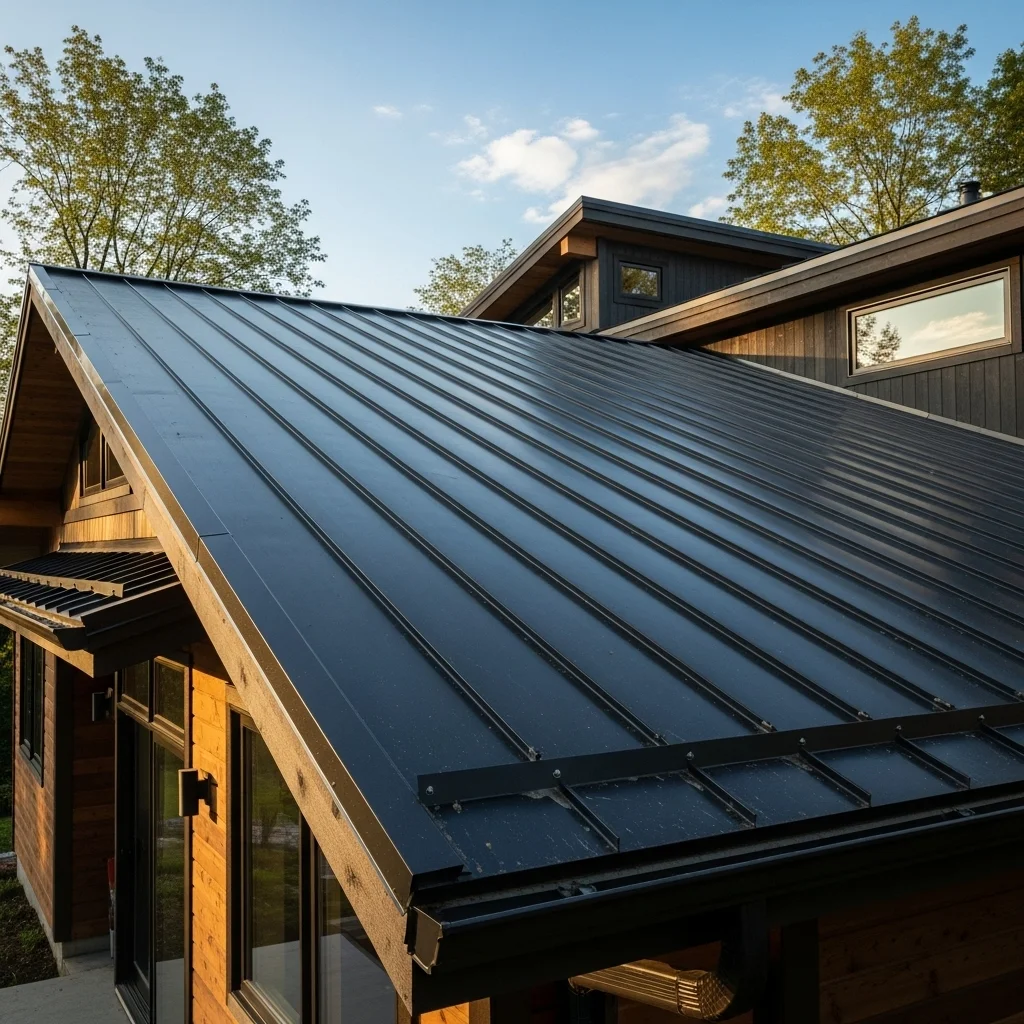
Benefits of Installing Metal Roofing on Your Shed
Metal roofs have many advantages compared to other types of shed roofs. They are very strong and last a long time, so you don’t have to fix them often. Metal roofs save energy because they reflect sunlight and keep the shed cooler. They also need very little maintenance and stay looking good for many years. Metal roofing is safe from rot, bugs, and fire. For sheds used as storage, workshops, or retreats, a metal roof is a smart choice that looks modern and works well.
Table of Contents
- How to Install Metal Roofing on a Shed?
- Benefits of Installing Metal Roofing on Your Shed
- Tools and Materials Needed for a Smooth Installation
- Preparing Your Shed for Metal Roofing Installation
- Step-by-Step Guide to Installing Metal Roof Panels
- Tips to Ensure a Long-Lasting and Leak-Free Metal Roof
- Common Mistakes to Avoid During Metal Roof Installation
- Choosing the Right Supplier for High-Quality Metal Roofing
Tools and Materials Needed for a Smooth Installation
To install a metal roof properly, you need the right tools and materials. Tools include a tape measure, tin snips, power shears, circular saw with a metal blade, jigsaw, angle grinder, drill or driver with hex-head bits, screwdriver, ladder, gloves, goggles, non-slip boots, chalk line, utility knife, and caulking gun. Materials include metal panels like corrugated, standing seam, Galvalume/steel, aluminum, zinc, or copper. You also need underlayment, drip edges, flashing, ridge caps, closure strips, and sealants such as rubber tape or silicone to make the roof strong and waterproof. Learn more at New Roof 1500 Sq Ft Brooklyn Heights.
Preparing Your Shed for Metal Roofing Installation
Getting your shed ready before installing the roof is very important. First, measure the roof carefully, including length, width, and slope. Check the shed frame for weak or damaged wood, and replace anything that is rotten or warped. Remove any old roofing, clean the deck, and make sure the surface is flat and strong. For lean-to sheds, it is important to check the roof slope, sidewall flashing, and water drainage so the roof works properly. Good preparation helps prevent problems and makes the roof last longer.
Step-by-Step Guide to Installing Metal Roof Panels
Start by getting the roof deck ready and installing drip edges on the eaves and gables so water drains correctly. Place the first metal panel at a corner or edge and make sure it is straight. Fasten the panels using screws in the flat areas, not the ribs, so they don’t leak or bend. Overlap the panels as the instructions say, add flashing along the edges, and fit ridge caps at the top of the roof. Finally, check and seal all screws, joints, and edges to keep the roof waterproof. For lean-to sheds, make sure the sidewall flashing, slope, and sealing are done correctly.
Tips to Ensure a Long-Lasting and Leak-Free Metal Roof
To keep a metal roof in good shape, inspect screws and fasteners every year to make sure they are tight. Remove leaves, branches, and other debris, and clean the panels with mild soap and water. Fix any scratches or chips with sealant, and seal small leaks quickly to prevent damage. Using reflective coatings and insulation under the panels can make the shed cooler and reduce condensation. These steps help the roof last longer and stay safe. Learn more at New Roof 1000 Sq Ft Brooklyn Heights.
Common Mistakes to Avoid During Metal Roof Installation
Some mistakes can cause problems with a metal roof. Do not put screws in the wrong spots, misalign panels, skip the underlayment or flashing, or overlap panels incorrectly. Over-tightening screws can bend the metal, and not following safety rules can be dangerous. Lean-to sheds need proper sidewall flashing, enough slope, and correct sealing to avoid leaks. Following the steps carefully and reading the instructions makes the roof last longer and look good.
Choosing the Right Supplier for High-Quality Metal Roofing
Choosing a trusted supplier makes a big difference. A good supplier gives you strong metal panels, advice, and all the materials you need. They offer panels like corrugated, standing seam, Galvalume/steel, aluminum, zinc, and copper, along with underlayment, drip edges, flashing, and ridge caps. They can also give tips on installation, maintenance, and warranties, which is helpful for bigger sheds or complicated roofs. Using a reliable supplier helps make sure your shed roof works well and lasts a long time. Learn more at Roof Replacement Brooklyn Heights.