
How to Install Steel Roofing Over Shingles?
Installing steel roofing over shingles is a smart choice for homes, businesses, and factories. It helps protect your roof and lasts a long time. This method, called metal roofing installed over existing shingles, avoids tearing off the old roof. It works well for roof replacement, roof retrofit, or roof overlay installation. Metal roofing over shingles also helps the environment by reducing roofing waste and avoiding shingle disposal. It makes roofs stronger, more energy-efficient, and easier to maintain. Whether you are fixing your roof or doing a roof restoration, this method fits into the roofing lifecycle and keeps your roof looking good while lasting many years.
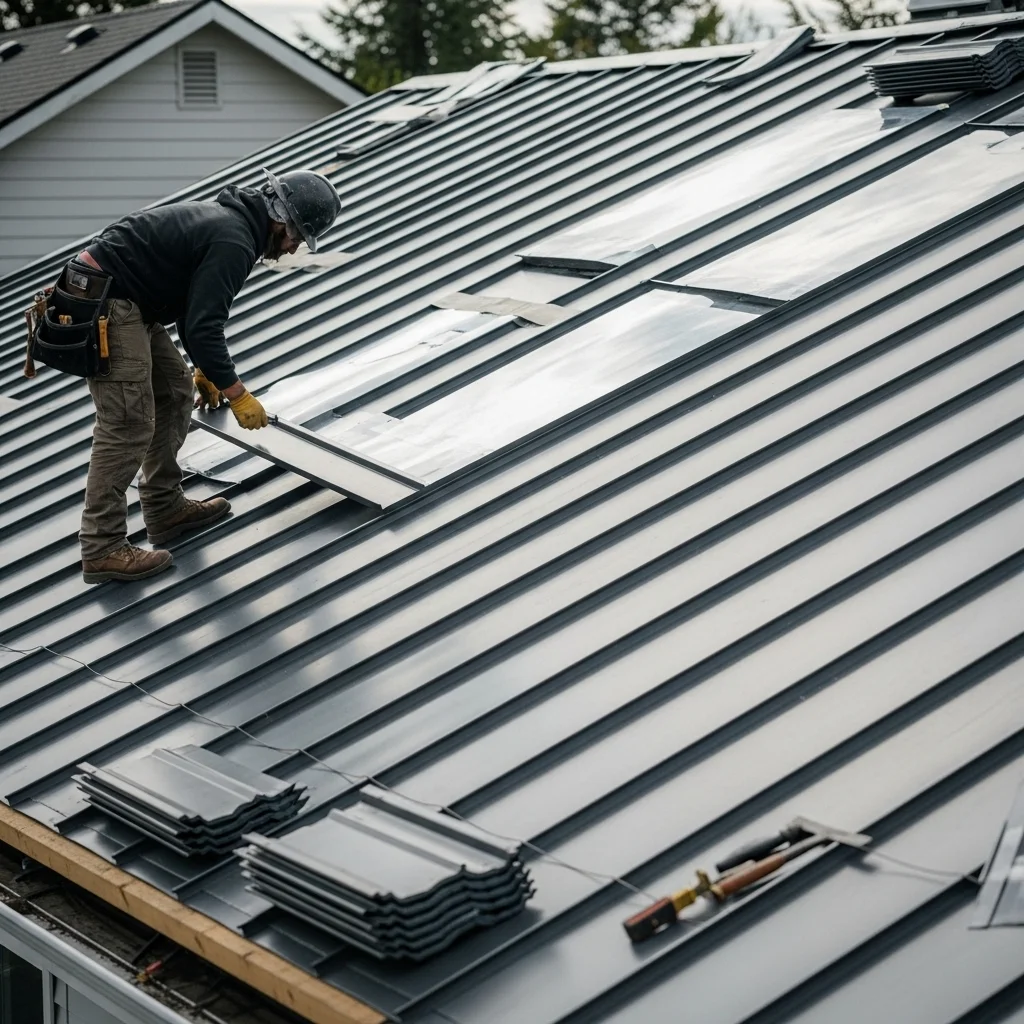
Why Installing Steel Roofing Over Existing Shingles Is a Smart Choice
Installing steel roofing over shingles saves money, time, and effort. You do not need to tear off the old roof, which reduces labor costs, disposal fees, and installation time. This is very helpful for businesses that cannot afford long interruptions. Steel roofing systems like standing seam metal panels, exposed fastener metal panels, and corrugated metal panels are stronger than asphalt shingles. They resist wind, hail, fire, and heavy snow better. Steel roofs also save money in the long run because they reduce maintenance costs and energy bills. Using recycled metal and avoiding old shingle waste helps the environment. Steel roofing also looks good and improves curb appeal with modern roofing design and panel profiles.
Table of Contents
- How to Install Steel Roofing Over Shingles?
- Why Installing Steel Roofing Over Existing Shingles Is a Smart Choice
- Building Code Requirements and Structural Checks Before Installation
- Preparation Steps for Installing Steel Roofing Over Shingles
- Steel Roofing Installation Methods Over Shingles Explained
- Step-by-Step Steel Roofing Installation Process
- Common Mistakes to Avoid When Installing Steel Roofing Over Shingles
- Long-Term Performance, Maintenance, and Cost Considerations
Building Code Requirements and Structural Checks Before Installation
Before adding steel roofing over shingles, you must follow local building codes and rules about roofing layers. Some places limit how many layers a roof can have. You need to check if your rafters, trusses, roof decking, plywood sheathing, or OSB sheathing can handle the extra weight. This is very important for structural integrity and safety. You also need to follow manufacturer installation guidelines for warranty protection. Methods like direct-to-deck metal attachment or using purlin systems may be required. Checking these things protects your roof, avoids damage, and ensures the roof will last for many years. Learn more at Pitched Roof Brooklyn Heights.
Preparation Steps for Installing Steel Roofing Over Shingles
Preparing the roof is very important. You need to flatten the shingles and make sure they are properly secured. This keeps the roof surface smooth and stops bumps from showing through the steel panels. Check the roof decking for water damage and fix weak areas. Installing underlayment like synthetic underlayment or felt underlayment adds a waterproof barrier. You can also add foil-faced insulation or extra insulation layers to improve thermal performance and regulate attic temperature. Be careful if your roof has pressure-treated lumber, because metal can react with it. Using corrosion prevention barriers helps your roof last longer and stay strong.
Steel Roofing Installation Methods Over Shingles Explained
There are different ways to install steel roofing over shingles. One way is direct attachment through shingles, where panels are fastened to the roof decking using roofing screws with rubber washers or gasketed fasteners. Another method is using furring strips or lathing strips, which create small gaps for ventilation. This helps remove heat and moisture, keeping the roof dry and energy-efficient. Purlin systems or sub-girt framing systems are often used for big buildings. They help keep panels straight, reduce metal movement from heat, and support symmetrical or asymmetrical metal panel systems. Choosing the right method improves drainage, roofing durability, and long-term energy efficiency.
Step-by-Step Steel Roofing Installation Process
Installing steel roofing starts with careful panel layout planning. This ensures panels are straight and overlap correctly. Cutting metal panels to size requires special tools and safety precautions. Panels are fastened with sealants, caulking, and touch-up paint to protect them from water and rust. Ridge caps, valley flashing, drip edge, gable trim, and eave trim are added to control water flow and make the roof strong. Ventilation, like ridge and soffit vents, helps remove heat and moisture, reducing energy costs. Panel seaming and oil canning prevention techniques make the roof look smooth and flat. The finished roof has a professional look and lasts a long time. Learn more at Flat Roof Extension Brooklyn Heights.
Common Mistakes to Avoid When Installing Steel Roofing Over Shingles
Mistakes can make your roof less durable and look bad. Skipping structural checks or ignoring roof weight limits can cause serious problems. Improper fastening, not using enough sealant, or wrong panel overlap can let water in. Not allowing for thermal expansion can bend panels or loosen fasteners. Poor ventilation can trap moisture, increase attic temperature, and reduce insulation effectiveness. Ignoring manufacturer instructions or trying DIY installation can void warranties and reduce long-term performance. Following guidelines and proper techniques is critical for a strong, long-lasting roof.
Long-Term Performance, Maintenance, and Cost Considerations
Steel roofs last a long time and need little maintenance. Routine inspections, checking fasteners, and looking for panel damage help keep the roof in good condition. Cleaning gutters, repairing scratches, removing snow and ice, and preventing ice dams are important for roofing durability. Steel roofs resist rust, pests, rot, and impact while maintaining curb appeal. They are more durable than asphalt shingles and save money over time. Energy efficiency, maintenance cost reduction, and waste reduction make steel roofing a smart long-term investment. Learn more at Flat Roof Maintenance Brooklyn Heights.