
What Gauge Is Metal Roofing?
Understanding what gauge is metal roofing is essential for homeowners, builders, and contractors planning residential metal roofing installation or large-scale commercial buildings. In the United States, metal roofing gauges are standardized systems that indicate material thickness rather than strength alone, and choosing between 22-gauge, 24-gauge, 26-gauge, or 29-gauge steel directly impacts durability, weather resistance, and long-term performance. Whether used for architectural metal roofing, standing seam metal roofing, or corrugated metal panels, gauge selection plays a critical role in how a roof performs under hailstorms, high winds, snow load regions, and hurricane zones.
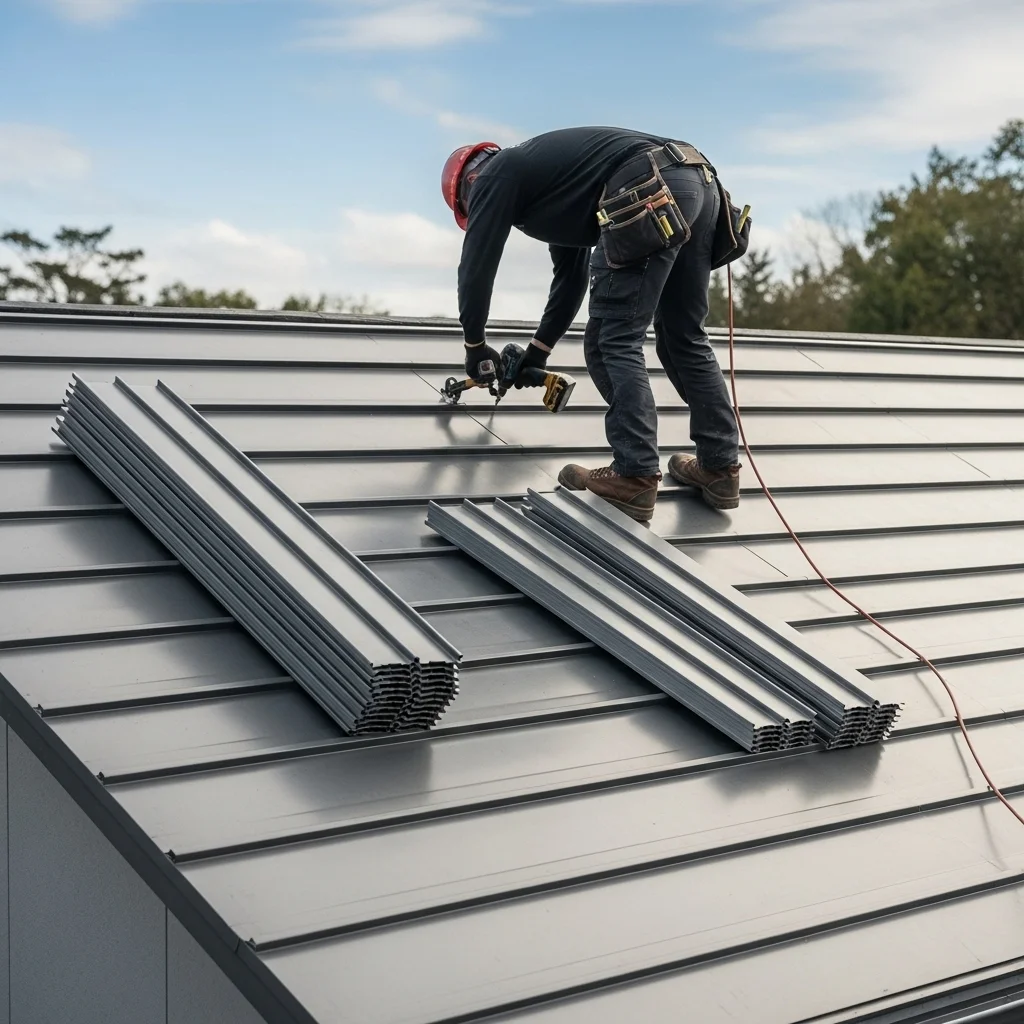
Understanding Metal Roofing Thickness and Gauge Standards
Metal Roofing Gauges are rooted in historical measurement systems such as the American Wire Gauge and Birmingham Gauge, which emerged during the Industrial Revolution to standardize metal production. Although gauge numbers may seem counterintuitive, lower numbers represent thicker metal, particularly in Carbon Steel, galvanized steel, aluminum, and stainless steel roofing materials. These systems were adopted across industrial buildings, agricultural structures, and post-frame building applications such as pole barns and warehouses. Today, manufacturers like Sheffield Metals apply modern engineering standards while maintaining traditional gauge definitions, ensuring compatibility with plywood sheathing, weather-resistant barriers, and exposed fastener metal roofing systems.
Table of Contents
- What Gauge Is Metal Roofing?
- Understanding Metal Roofing Thickness and Gauge Standards
- How Steel Gauge Numbers Translate Into Real-World Thickness
- Common Metal Roof Gauges Used for Residential and Commercial Buildings
- Comparing Thicker and Thinner Steel Panels for Roofing Performance
- Key Factors That Determine the Ideal Steel Thickness for Your Roof
- Cost, Durability, and Weather Resistance Across Different Gauges
- Choosing the Best Steel Thickness for Long-Term Roofing Value
How Steel Gauge Numbers Translate Into Real-World Thickness
Steel gauge numbers correspond to precise thickness measurements, with 22-gauge being significantly thicker than 29-gauge. For example, 22-gauge steel provides superior rigidity and is commonly specified for standing seam systems in high wind areas and commercial buildings, while 29-gauge steel is thinner and more commonly used for garages, barns, and agricultural structures. The actual thickness difference may appear small on paper, but in practice it affects oil canning resistance, dent performance during hailstorms, and compatibility with solar panels and HVAC systems. Understanding this translation helps homeowners and contractors make informed decisions when comparing corrugated metal roofing and architectural profiles.
Common Metal Roof Gauges Used for Residential and Commercial Buildings
The most widely used gauges in metal roofing include 22-gauge, 24-gauge, 26-gauge, and 29-gauge, each serving a distinct purpose across residential projects and industrial buildings. Twenty-four-gauge and twenty-six-gauge steel dominate residential metal roofing installation due to their balance of strength, flexibility, and cost efficiency, particularly for standing seam metal roofing finished with PVDF coatings such as Kynar 500® and Hylar 5000®. In contrast, 22-gauge steel is favored in architectural metal roofing and commercial buildings requiring Class A fire rating and UL 2218 Class 4 impact resistance, while 29-gauge is commonly selected for corrugated metal panels in barns, pole barns, and storage facilities.
Comparing Thicker and Thinner Steel Panels for Roofing Performance
Thicker steel panels offer enhanced performance in extreme environments, particularly in hurricane zones, high wind areas, and snow load regions such as Toronto, Niagara, Barrie, and Thunder Bay. Thicker gauges resist oil canning more effectively and provide improved structural stability when installed over plywood sheathing with a weather-resistant barrier. Thinner panels, while more economical, are more susceptible to denting and vibration but remain a practical choice for agricultural and light industrial use. Standing seam systems generally benefit from thicker gauges, while exposed fastener metal roofing and corrugated metal roofing can perform well with thinner materials when properly installed.
Key Factors That Determine the Ideal Steel Thickness for Your Roof
Several factors influence the ideal steel thickness for a roofing system, including building type, geographic location, and intended use. Residential projects in Atlanta or Birmingham may prioritize aesthetics and paint durability using SMP paint or PVDF finishes, while commercial and industrial buildings require structural performance and code compliance. Climate exposure, expected hailstorms, roof slope, and compatibility with vinyl siding replacement or integrated solar panels also affect gauge selection. Consulting experienced professionals such as Zach Reece, Colony Roofers, or utilizing resources from the Sheffield Metals Learning Center helps ensure the correct gauge is chosen for long-term performance.
Cost, Durability, and Weather Resistance Across Different Gauges
Cost differences between metal roofing gauges are influenced by raw material thickness, manufacturing processes, and coating systems such as Galvalume®. Thicker gauges generally involve higher upfront investment but deliver superior durability, reduced maintenance, and improved weather resistance, particularly against hailstorms and high winds. Thinner gauges reduce material costs and installation labor, making them attractive for garages, warehouses, and agricultural structures. Long-term value often favors thicker panels in residential and commercial buildings where longevity, Class A fire rating, and impact resistance are critical performance requirements.
Choosing the Best Steel Thickness for Long-Term Roofing Value
Selecting the right metal roofing gauge ultimately depends on balancing performance expectations, budget, and environmental exposure. Thicker gauges provide long-term roofing value for homeowners seeking premium standing seam metal roofing with minimal oil canning and superior paint performance. Thinner gauges remain effective for corrugated metal roofing and exposed fastener systems when used in appropriate applications. Working with trusted suppliers such as Sheffield Metals and experienced contractors from the Legacy Service Company ensures access to engineered systems, reliable warranties, and expert guidance. For personalized recommendations or project support, homeowners are encouraged to reach out through the Legacy Service contact channels for professional assistance.